
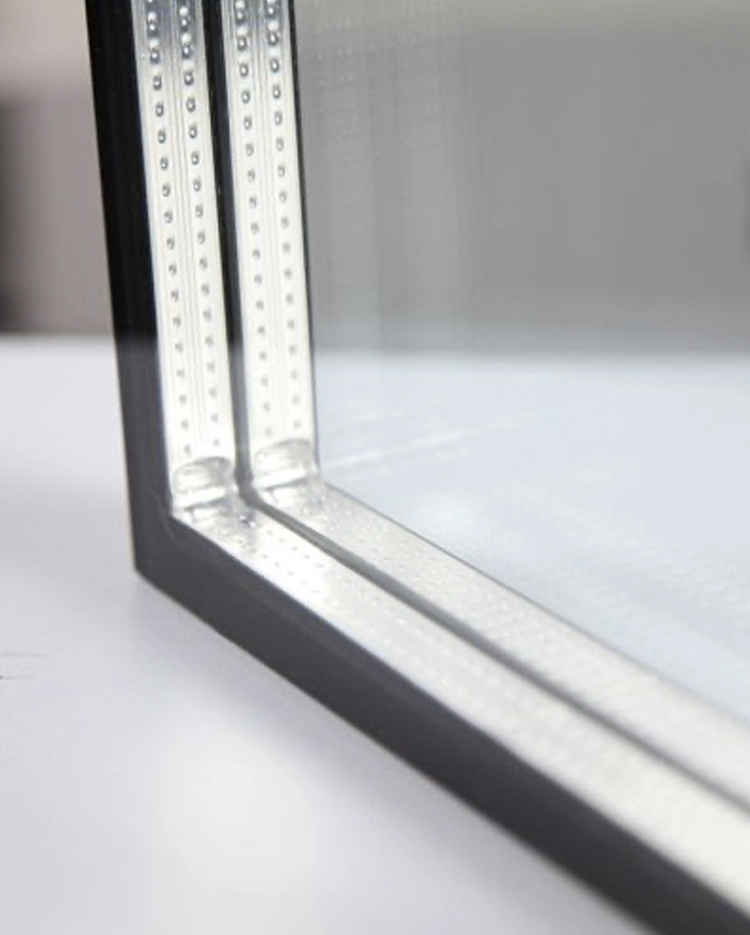
Energy Efficient Glass Middle East: Low-E, SHGC & U-Values for Desert Climates
Technical guide to Low-E, SHGC, U-value and IGU specifications for Dubai, Abu Dhabi and KSA. Ready-to-use specification patterns for Class A offices, hotels, and healthcare — covering Al Sa'fat, Estidama, and SBC 601 compliance.
Introduction
Peak electricity demand in the GCC summer is dominated by space cooling. Improving the envelope—especially glazing—is one of the fastest ways to cut cooling loads, right‑size chillers, and improve comfort. This guide translates U‑value, SHGC, and visible light metrics into practical specs for developers, façade consultants, and MEP teams.
Pair performance targets with the right products: Low‑E glass, insulated glass units (IGUs), and tempered / laminated safety makeups where required.
Why glazing drives energy in the Middle East
Summer irradiance regularly exceeds 800–1000 W/m² at midday; west façades see large afternoon loads. Design intent should prioritize low SHGC while preserving adequate VLT for daylight. Codes and corporate targets (UAE Net Zero 2050, KSA Vision 2030) push higher envelope performance.
In practice, specify spectrally selective Low‑E coated IGUs with argon, warm‑edge spacers, and thermal‑break frames. Single glazing is generally incompatible with modern Class A comfort targets in exterior vision zones.
Technical fundamentals
- U‑value (W/m²·K): Conductive/convective heat transfer—lower is better.
- SHGC (0–1): Solar heat gain—lower reduces cooling load; target ≈ 0.25–0.35 for many offices/hospitality; ≤0.28 on high‑gain west/south with high WWR.
- VLT (%): Often ≈ 40–60% for offices; combine with shading and interior blinds.
- IGU build‑up: Typical high‑performance stacks use 6–10 mm outer + 12–16 mm argon + 6–10 mm inner with Low‑E on surface #2 or #3.
Confirm with EnergyPlus/IES and manufacturer IGDB entries. See also special coated glass for solar control layers.
Regional codes and specification patterns
Dubai (Al Sa’fat): Envelope minimums and credits often align SHGC by orientation with U‑value limits for curtain walls. Abu Dhabi (Estidama PBRS): Performance pathway with mandatory envelope requirements. KSA (SBC 601): Prescriptive SHGC/U limits by region and building type; whole‑building modeling common on large projects.
Class A office (example): 10 mm HS outer + 16 mm argon + 8 mm inner with triple‑silver Low‑E; SHGC ≤ 0.28 (W/S), ≤ 0.32 (N/E); U ≤ 1.6 W/m²·K; warm‑edge spacer; argon ≥ 90% documented at production.
QA, testing, and implementation
Cite EN 410 (optical/solar), EN 673 or NFRC 100 (U‑value), ASTM E2190 / EN 1279 (IGU durability), and EN 12600 / ANSI Z97.1 (safety) in specs and submittals. Demand third‑party spectral data, gas fill certificates, and mock‑up validation for thermal and glare.
For procurement into Dubai and KSA, plan crate sizing, desiccants, shipping conditions, and on‑site storage. Our door & window systems portfolio complements high‑performance glazing for complete envelope solutions.
مقالات ذات صلة
Low-E Glass Suppliers in Dubai: What to Specify for GCC Climates
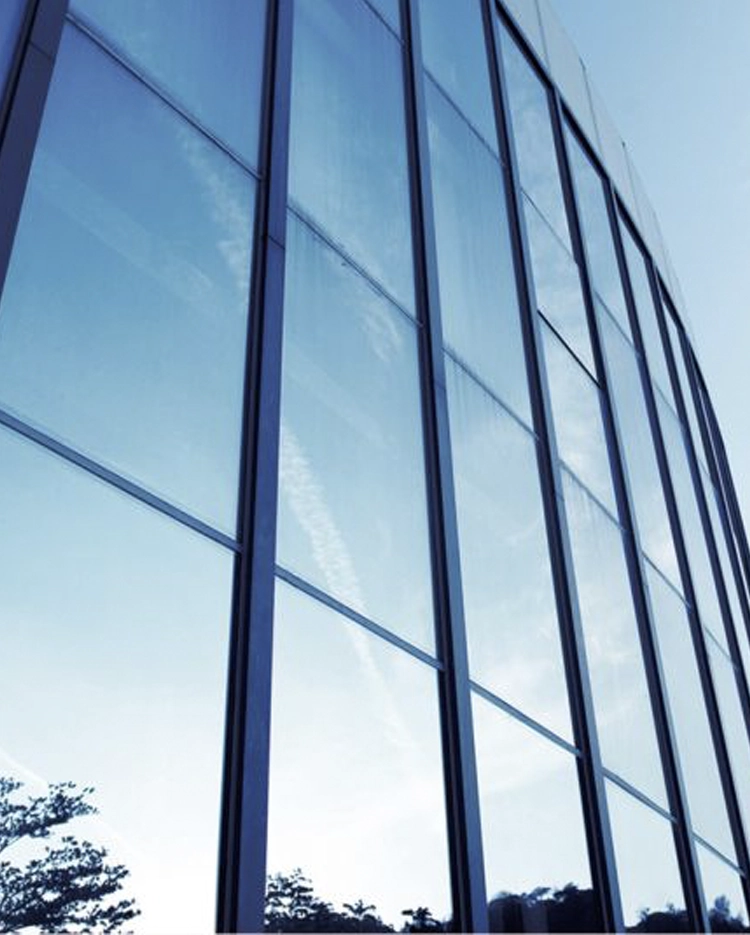
Key factors when sourcing Low-E glass for UAE projects — single, double, and triple silver coating selection, Tvis/SC performance data, tempering compatibility, IGU pairing, and mockup processes.
اقرأ المقال ←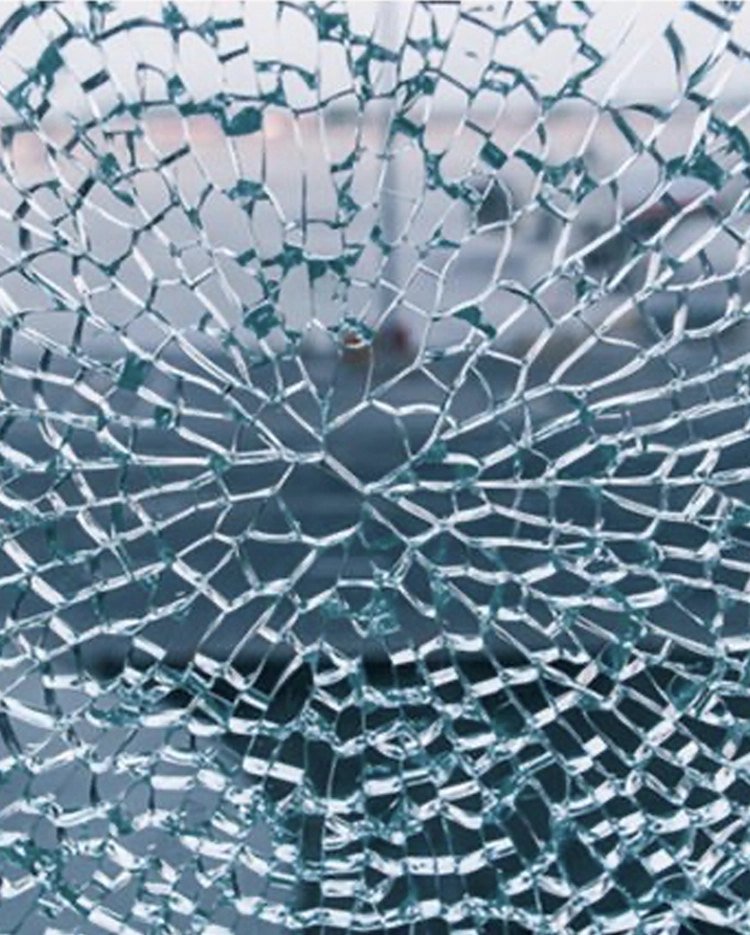
Smart Glass Technology: Trends Shaping Middle East Architecture
From electrochromic to PDLC — how switchable glass, BIPV integration, and self-cleaning coatings are transforming building design across Dubai and the wider GCC for net-zero targets.
اقرأ المقال ← Tempered Glass & Heat-Soak Testing for GCC Facades and Rail
When and why to specify HST per EN 14179-1 — nickel sulfide inclusion risk mitigation, fragmentation testing, and quality control for safety-critical architectural and transport glazing.
اقرأ المقال ←