
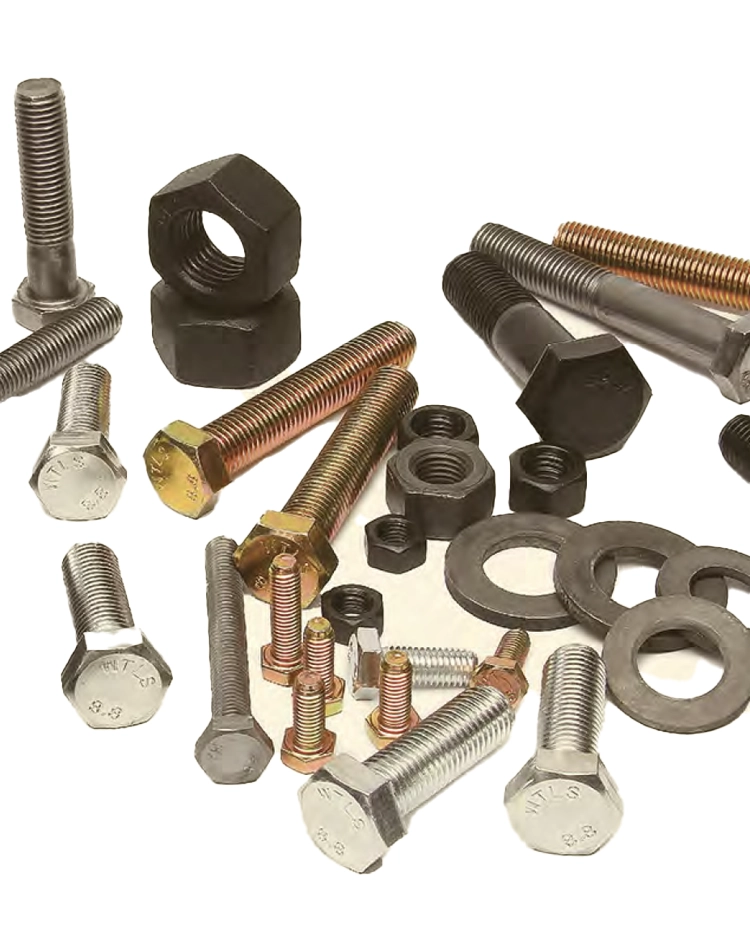
Industrial Fasteners UAE: The Definitive B2B Selection Guide for GCC Projects
Standards-grounded framework for specifying bolts, nuts, screws and anchors — ISO 898-1, ISO 3506, ASTM F3125. Material/coating choices for hot-arid and marine climates, corrosion mapping, torque guidance, and Jebel Ali-centric logistics.
Introduction
From curtain walls in Dubai Marina to industrial plants in Jubail, fasteners carry disproportionate risk when underspecified. Wrong choices drive corrosion streaking, hydrogen embrittlement after plating, or submittal rejection when certificates do not match batches.
This framework aligns international standards with hot‑arid and marine GCC environments. Source systematically through bolts & nuts, screws, and anchors & structural fasteners.
Standards that control performance and paperwork
- ISO 898‑1 / 898‑2: Mechanical classes for bolts and nuts (e.g. 8.8, 10.9).
- ISO 3506‑1: Stainless property classes A2‑70, A4‑70/80.
- ASTM F3125: High‑strength structural bolts (A325/A490 family); nuts A563; washers F436.
- ISO 10684 / ISO 4042: HDG vs electro‑zinc; manage hydrogen embrittlement on 10.9/12.9.
- ISO 9223: Map atmospheric corrosivity C1–CX to coating systems.
Declare conformity in POs and align headmarking with property class for site inspection.
Materials and coatings for GCC environments
8.8 suits general construction; 10.9 for higher preload; avoid 12.9 outdoors without exceptional control—brittle fracture and HE sensitivity rise. For coastal façades, prefer A4‑70/80 or HDG carbon steel; avoid thin electro‑zinc in marine exposure.
Hot‑dip galvanizing (ISO 10684) gives robust zinc thickness for structural anchors; zinc‑flake systems avoid hydrogen charging and suit many high‑strength parts. Isolate galvanic couples between stainless, aluminum, and carbon steel in coastal projects.
Sector patterns and torque
Structural steel: F3125 assemblies, slip‑critical vs bearing design, HDG or zinc‑flake for external bays, turn‑of‑nut or calibrated wrench procedures.
Curtain wall: A4 brackets with isolation; torque control on clamp brackets; traceability through PMU testing.
Concrete: Cast‑in anchor rods with templates and mill certs; post‑installed anchors per ETA/ICC‑ES with clean holes and temperature‑aware cure schedules.
Torque relation T ≈ K × d × F: calibrate K for lubrication and coating (HDG vs dry zinc).
QC and GCC procurement
Build an ITP covering incoming dimensions, head markings, plating thickness, hydrogen relief records, and sample tensile/torque‑tension correlation. Standard MOQs for specials favor consolidated FCL into Jebel Ali with HS 7318 documentation prepared early.
For vendor shortlists and submittal‑ready packages, use industry‑use fasteners and reach the team via contact.
相关文章
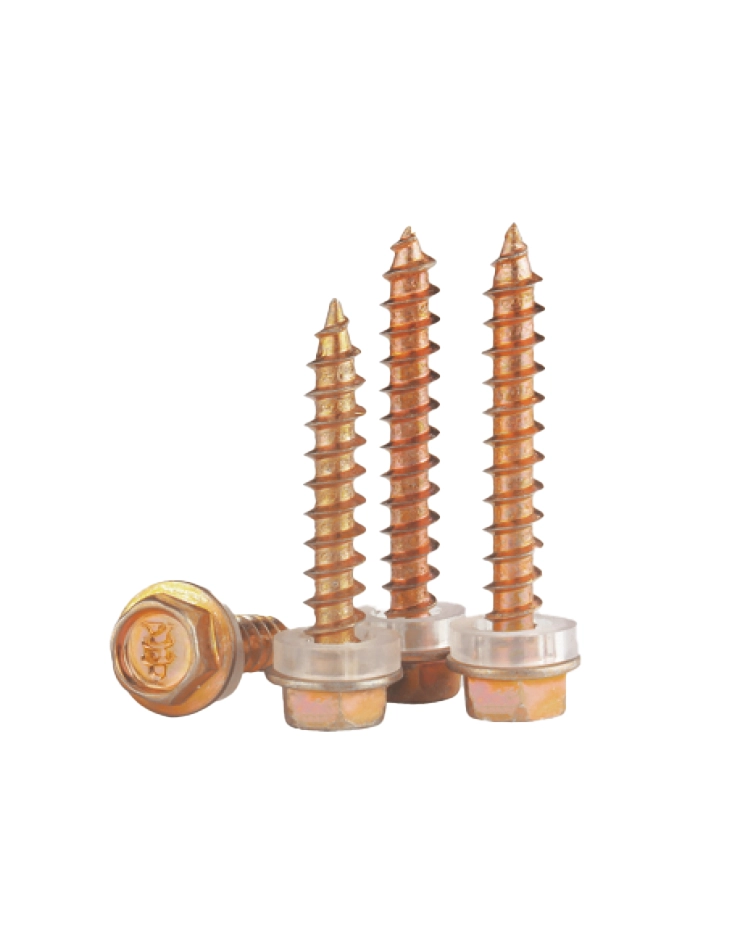
Corrosion-Resistant Fasteners for Coastal and Desert Middle East Environments
How to match ISO 9223 atmospheric corrosivity categories (C3-CX) to coating systems. HDG vs zinc-flake vs stainless — hydrogen embrittlement management, galvanic isolation, and salt spray testing for GCC projects.
阅读文章 →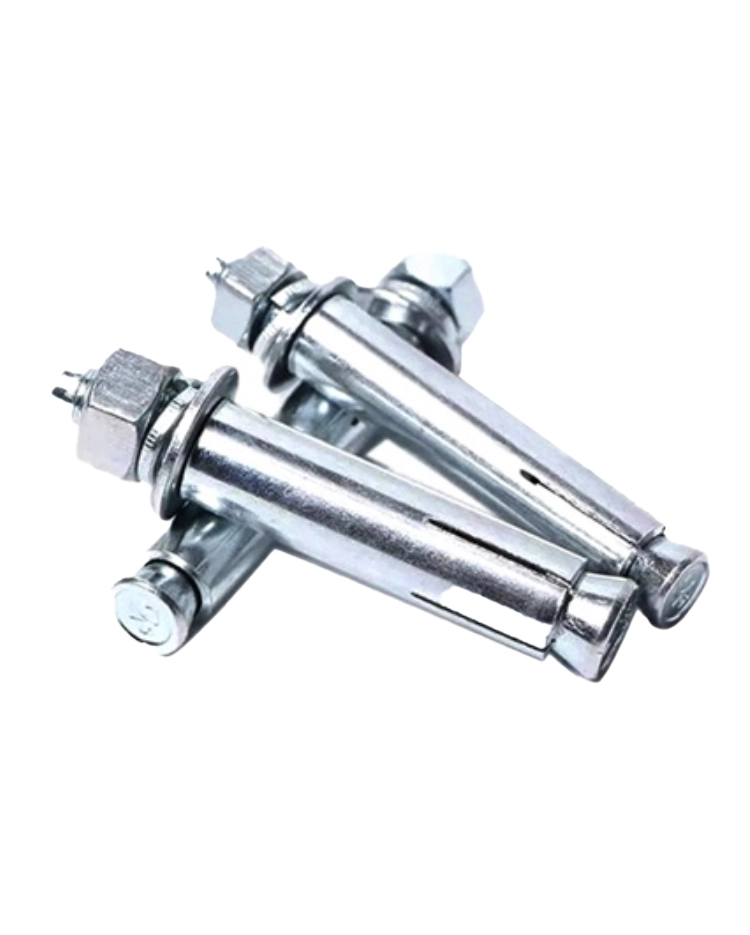
Anchor Bolts and Structural Connections for Middle East Mega-Projects
GB/T1228 and GB3632 structural assemblies — 10.9S property class, torque coefficient control, torsion-shear bolt installation, and on-site calibration for steel structures and bridges.
阅读文章 →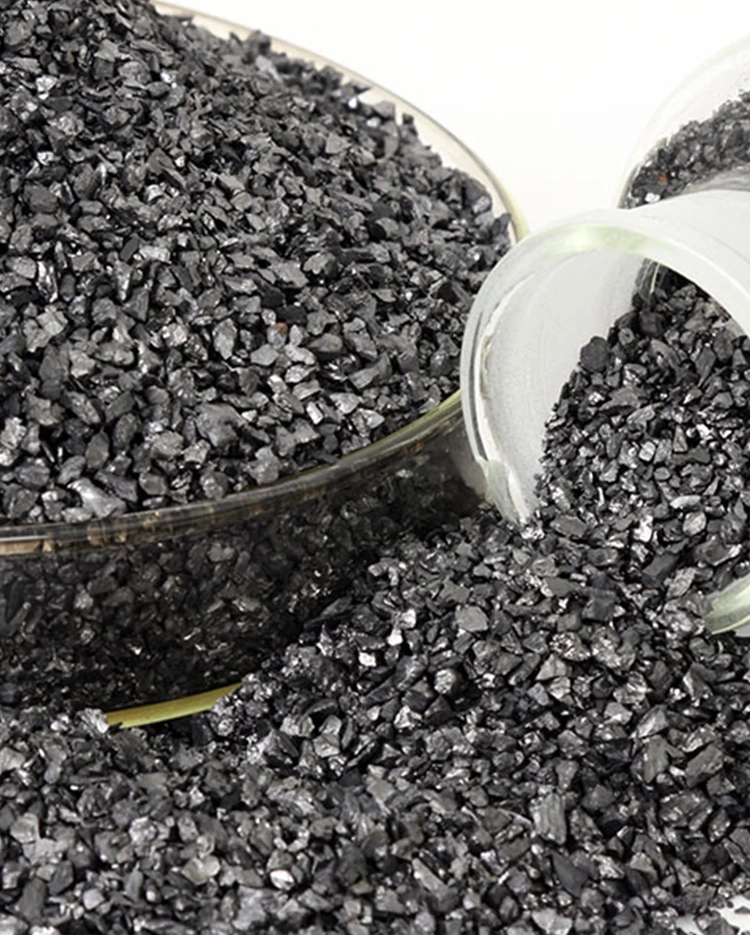
Carbon Additives for Steel Production in the Middle East: CAC vs GPC vs SiC
Complete guide comparing calcined anthracite (CAC), graphite petroleum coke (GPC), and silicon carbide (SiC) for EAF/ladle practice — covering specifications, absorption rates, dosing strategies, QA, and logistics for DRI-EAF operations in the GCC.
阅读文章 →