
Smart Glass Technology: Trends Shaping Middle East Architecture
From electrochromic to PDLC — how switchable glass, BIPV integration, and self-cleaning coatings are transforming building design across Dubai and the wider GCC for net-zero targets.
Technologies and indicative performance
Electrochromic (EC): Ion intercalation under low voltage; VLT may span ~60% clear down to ~1–5% dark; SHGC from ~0.40 clear to ~0.10–0.20 dark; switching from tens of seconds to minutes.
SPD: Fast darkening for skylights and high‑glare zones; switching often under ~3 seconds; continuous low power to hold state.
PDLC: Privacy partitions—milliseconds switching but does not materially lower SHGC for envelope energy. Treat as interior feature glass.
Explore special coated / smart glass options alongside Low‑E and IGUs.
Design integration
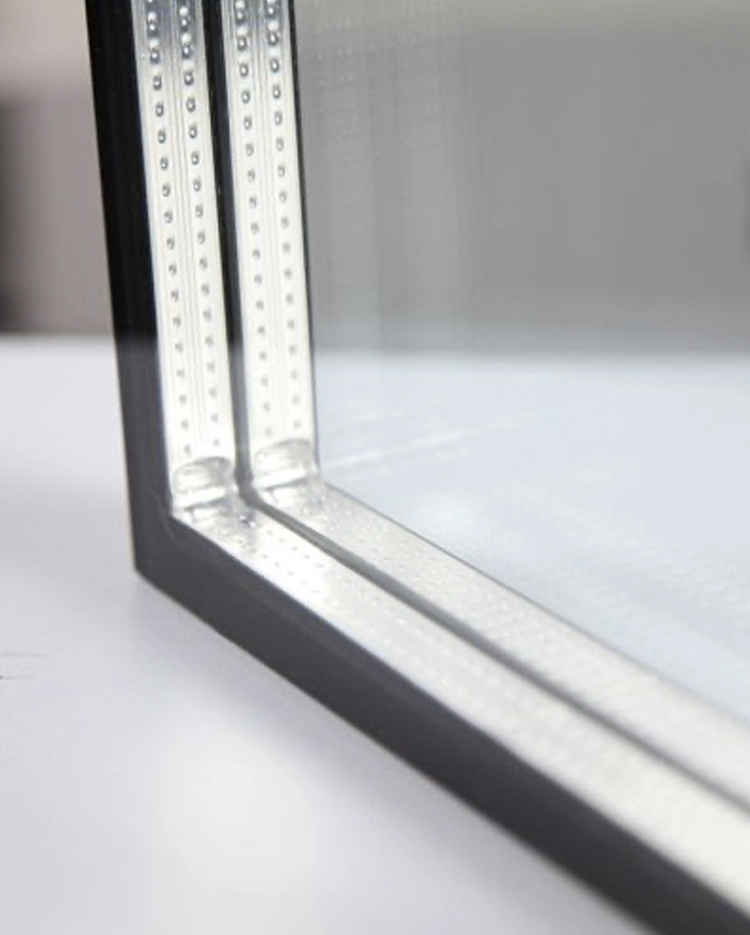
Exterior smart lites usually sit inside IGUs paired with clear or Low‑E plies and argon fill. Validate thermal stress and heat‑treatment compatibility. Meet impact classes (EN 12600 / ANSI Z97.1) and laminated makeups with PVB or ionoplast for overhead and fall‑protection zones.
Controls: define scenes (clear/mediate/dark), sensor strategies (illuminance, glare proxies), occupant overrides, and cybersecurity for networked controllers. Electrical: coordinate voltage, harnesses, junction boxes, and IP ratings for Gulf heat.
Compliance, procurement, and ROI
Regional frameworks emphasize envelope U‑factor/SHGC, daylight, and comfort—dynamic glazing can support solar and glare outcomes when submittals include modeled states, control sequences, and commissioning plans.
ROI combines cooling and lighting savings, reduced shading hardware, and potential HVAC downsizing; treat as controls + envelope capex. Vendor selection should prioritize regional references, cycling endurance data, and accredited safety testing.
Finish specifications with door & window systems integration where switchable zones meet operable façades.
相关文章
Energy Efficient Glass Middle East: Low-E, SHGC & U-Values for Desert Climates
Technical guide to Low-E, SHGC, U-value and IGU specifications for Dubai, Abu Dhabi and KSA. Ready-to-use specification patterns for Class A offices, hotels, and healthcare — covering Al Sa'fat, Estidama, and SBC 601 compliance.
阅读文章 →
Low-E Glass Suppliers in Dubai: What to Specify for GCC Climates
Key factors when sourcing Low-E glass for UAE projects — single, double, and triple silver coating selection, Tvis/SC performance data, tempering compatibility, IGU pairing, and mockup processes.
阅读文章 → Tempered Glass & Heat-Soak Testing for GCC Facades and Rail
When and why to specify HST per EN 14179-1 — nickel sulfide inclusion risk mitigation, fragmentation testing, and quality control for safety-critical architectural and transport glazing.
阅读文章 →