

Tempered Glass & Heat-Soak Testing for GCC Facades and Rail
When and why to specify HST per EN 14179-1 — nickel sulfide inclusion risk mitigation, fragmentation testing, and quality control for safety-critical architectural and transport glazing.
Tempered, heat‑strengthened, and laminated roles
Tempered (EN 12150 / ASTM C1048 FT) delivers ~4–5× annealed strength and small dice fragments. Heat‑strengthened reduces residual stress for better optics when lamination provides retention. Laminated assemblies provide post‑breakage capacity for balustrades, canopies, and overhead glazing—often with ionoplast (SGP) interlayers in high‑load GCC projects.
Specify through tempered glass and laminated glass product lines.
Standards and heat‑soak (NiS)
Nickel sulfide inclusions can drive delayed fracture; EN 14179 heat‑soak process precipitates critical inclusions in the factory. HST significantly reduces—but does not eliminate—risk; pair with laminated configurations when retention is paramount.
Submittals should bundle fragmentation test reports, impact classification, heat‑soak batch certificates tied to crate IDs, and dimensional/visual QC criteria.
Façade specification essentials
Wind load governs thickness; typical vision IGUs combine heat‑soaked tempered outer with HS or tempered inner and Low‑E. Manage thermal stress on dark frits and high‑absorptance coatings—often temper the coated lite per manufacturer.
Specify polished/arrised edges, hole/slot minimum distances (≥2× thickness to edges where practical), and anisotropy acceptance under polarized viewing where aesthetics demand.
QA and GCC logistics
Factory QA should cover EN 12150 fragmentation, EN 12600/ANSI Z97.1 classes for doors and guards, EN 14179 logs, roller wave limits, and traceability labels per lite.
Logistics: export crates, humidity‑safe interleaving, covered storage near Jebel Ali, and elevation‑mapped sequencing for hoist plans. For specification support on rail and tower packages, use IGU builds and contact engineering.
相关文章
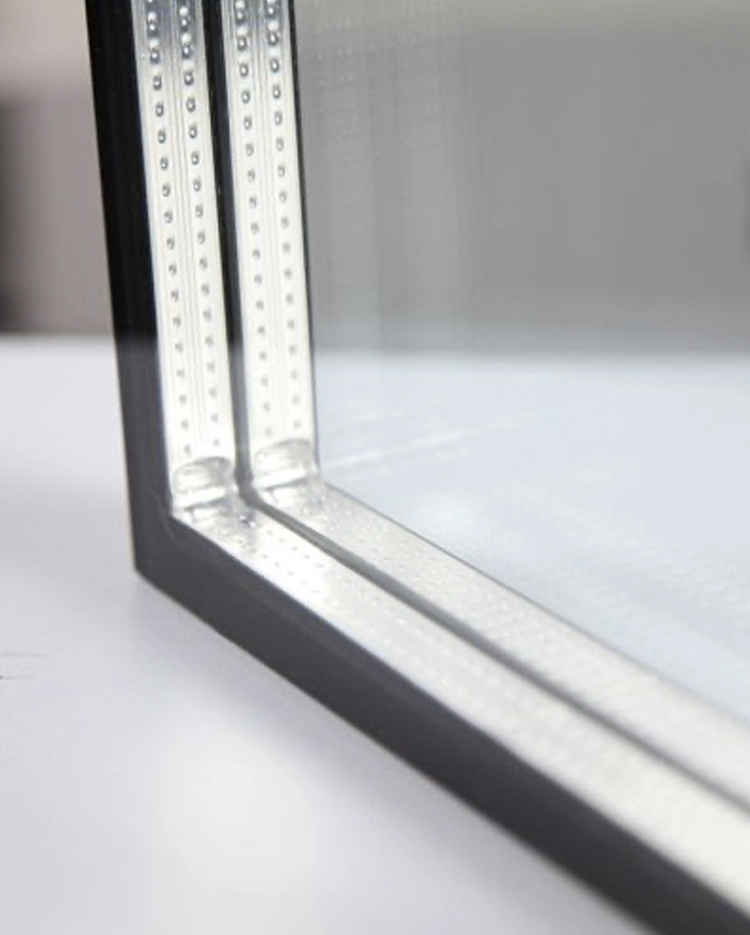
Energy Efficient Glass Middle East: Low-E, SHGC & U-Values for Desert Climates
Technical guide to Low-E, SHGC, U-value and IGU specifications for Dubai, Abu Dhabi and KSA. Ready-to-use specification patterns for Class A offices, hotels, and healthcare — covering Al Sa'fat, Estidama, and SBC 601 compliance.
阅读文章 →
Low-E Glass Suppliers in Dubai: What to Specify for GCC Climates
Key factors when sourcing Low-E glass for UAE projects — single, double, and triple silver coating selection, Tvis/SC performance data, tempering compatibility, IGU pairing, and mockup processes.
阅读文章 → Smart Glass Technology: Trends Shaping Middle East Architecture
From electrochromic to PDLC — how switchable glass, BIPV integration, and self-cleaning coatings are transforming building design across Dubai and the wider GCC for net-zero targets.
阅读文章 →