Low-E Glass Suppliers in Dubai: What to Specify for GCC Climates
Key factors when sourcing Low-E glass for UAE projects — single, double, and triple silver coating selection, Tvis/SC performance data, tempering compatibility, IGU pairing, and mockup processes.
Low‑E fundamentals
Low‑emissivity stacks cut long‑wave radiation exchange and selectively attenuate solar near‑IR—lowering SHGC while preserving VLT and competitive U‑value inside IGUs. Use EN 410 datasets to compare Tvis, reflectance, and selectivity (Tvis/SHGC).
Coating families: single‑silver baseline; double‑silver for typical office façades; triple‑silver for hot orientations and premium neutrality. Validate color rendering and exterior reflectance for skyline integration. Product entry point: Low‑E glass.
Performance targets and IGU design
Starting framework: SHGC 0.25–0.35 overall, tighter ≤0.28 west/south; VLT 40–60% offices/hotels; U‑value 1.3–1.8 W/m²·K for double IGUs with argon (confirm with frame modeling).
Specify coating position (#2 vs #3) with the supplier, 12–16 mm argon cavities, warm‑edge spacers (psi ≈ 0.03–0.06 W/m·K), and laminated inners (PVB/ionoplast) where required. Pair with IGU and tempered outers; manage thermal stress on high‑absorptance coatings.
Approvals, PMU, and QA
Submittals should bundle EN 410 optical/solar sheets, Uw modeling per EN ISO 10077/12631, IGU durability to EN 1279/ASTM E2190, safety to EN 12150/EN 14449, and heat‑soak EN 14179 where NiS risk matters. Add a short memo mapping results to Al Sa’fat, Estidama PBRS, and Saudi Building Code envelope criteria.
PMU bays should validate air/water/wind, color uniformity, anisotropy limits, and glare under real sun angles.
Procurement, pitfalls, and ROI
Select suppliers with GCC references, full EN 410/NFRC files, color tolerances, certified IGU lines (PIB primary, silicone secondary for SSG), and argon ≥ 90% at manufacture (dew point ≤ −40 °C).
Avoid over‑tinting instead of high selectivity; do not skip warm‑edge spacers; align submittals to the exact installed makeup. Modeled perimeter cooling savings versus tinted monolithic often reach double‑digit percentages on high WWR towers—pair glass upgrades with laminated inners for acoustics without sacrificing thermal goals.
相关文章
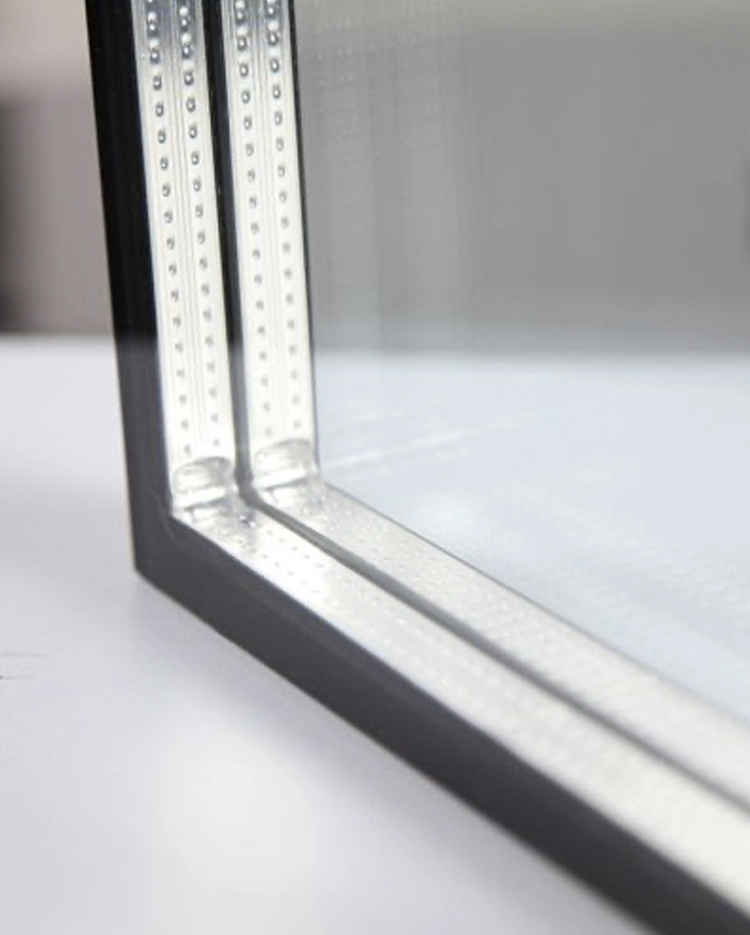
Energy Efficient Glass Middle East: Low-E, SHGC & U-Values for Desert Climates
Technical guide to Low-E, SHGC, U-value and IGU specifications for Dubai, Abu Dhabi and KSA. Ready-to-use specification patterns for Class A offices, hotels, and healthcare — covering Al Sa'fat, Estidama, and SBC 601 compliance.
阅读文章 →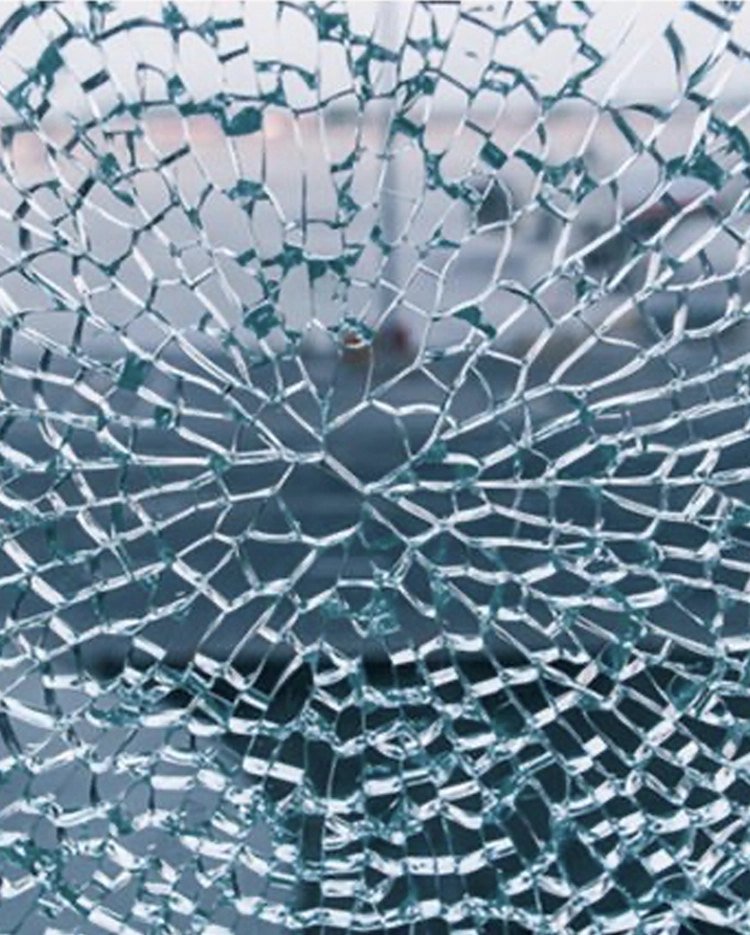
Smart Glass Technology: Trends Shaping Middle East Architecture
From electrochromic to PDLC — how switchable glass, BIPV integration, and self-cleaning coatings are transforming building design across Dubai and the wider GCC for net-zero targets.
阅读文章 → Tempered Glass & Heat-Soak Testing for GCC Facades and Rail
When and why to specify HST per EN 14179-1 — nickel sulfide inclusion risk mitigation, fragmentation testing, and quality control for safety-critical architectural and transport glazing.
阅读文章 →